Stick vs Upright Vacuums: Which Type Fits Your Home?
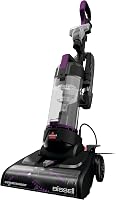
A stick vacuum is light and shaped like a long wand, so it's easy to grab for quick cleanups on hard floors and stairs. An upright stands tall on its own base with a wider cleaning head and a bigger dust cup, so it suits deep carpet cleaning and whole-home sessions.
On this page (8 sections)
- What is the difference between a stick and upright vacuum?
- How do weight and handling change the way you clean?
- Which type cleans carpet better?
- How do dust cup size and filtration compare?
- What about corded sticks versus cordless and corded uprights?
- Which type suits stairs, cars, and tight spaces?
- Which type is easier to store and maintain?
- So which vacuum type fits your home?
The difference between a stick and an upright vacuum is mostly about shape, weight, and cleaning head size. A stick vacuum is a light wand you steer with your hand, and an upright is a tall machine that stands on its own wide base.
That one design split decides which one fits your floors, your stairs, and how long you like to clean.
Neither type wins outright. A stick is the one you reach for ten times a day, while an upright is the one you pull out when the carpet needs a real pass.
Read on for the specs that separate them and the homes each type suits best.
What is the difference between a stick and upright vacuum?
A stick vacuum carries its motor and dust cup in a slim body you hold in one hand, while an upright keeps them in a tall housing over a wide base. The cleaning head on a stick is narrow, often 8 to 12 inches, and the whole unit hangs from your grip.
An upright's weight sits on two large rear wheels and a front brush housing. The body supports itself, so your arm only steers it.
That's why uprights run heavier, like the 16 lb Shark Navigator and the 17.3 lb Dyson Ball Animal 3, while the corded Intercleaner stick weighs 3 lb.
The other gap is the dust cup. A stick's bin is small so the body stays light.
An upright's cup can run close to a quart or more, which means fewer trips to the trash on a big job. An upright also gives you a hose for above-floor cleaning without lifting the base, and the Dyson Ball Animal 3 runs a 15 ft hose while the Shark Navigator has a 5 ft hose.
A stick's reach above the floor comes from switching to handheld mode instead.
How do weight and handling change the way you clean?
A light stick lets you clean fast and often, while an upright rewards longer, slower passes. At 3 lb, a corded stick like the Intercleaner is easy to carry upstairs and down.
An upright asks more of your arms and back, but it glides on its own wheels once you're moving. The Dyson Ball Animal 3 uses a ball-shaped base so a turn of the wrist sends the head around furniture.
The Shark Navigator uses swivel steering to turn in tight corners. The Dyson weighs 17.3 lb and the Shark 16 lb, so both are machines you move room by room rather than carry up a ladder.
Which type cleans carpet better?
An upright usually cleans carpet better, because its wider head, heavier body, and bigger motor push deeper into the pile. The Dyson Ball Animal 3 runs a 290AW motor with 3 suction modes, including a deep-pile carpet setting.
Those modes let you dial the head for deep pile, medium pile, low pile with large debris, or hard floors.
Its Motorbar cleaner head also clears wrapped hair from the brush bar as you clean. That de-tangling design matters on carpet where hair and pet fur build up fast.
The Shark Navigator adds a brushroll shutoff, so you can stop the brush spinning when you move from carpet to a bare floor.
A corded stick can still handle short-pile carpet. Intercleaner rates its 15KPa suction for short-haired carpet and hard floors.
That's enough for daily touch-ups, but not the same depth as a full upright pass. A stick's narrow head also means more passes over the same patch of carpet to cover the area.
How do dust cup size and filtration compare?
Uprights hold more dirt and often seal their filtration better, while sticks trade capacity for a light body. The Dyson's bin runs 0.55 gallons and the Shark Navigator's 0.9 liters, so both go longer between empties.
The Shark's 0.9-quart cup is built to carry a whole session without a stop.
A stick's cup is smaller. Intercleaner's 0.8L bin is listed as lasting 5 to 7 uses before an empty.
That's fine for a small apartment and tight for a whole house in one go. A one-button release empties the bin without touching the dust.
Filtration is the quieter difference. Sealed HEPA systems like the one in the Shark Navigator trap dust and allergens inside the machine.
That design helps in homes where dust settles quickly or someone in the house is sensitive to it. The Dyson uses whole-machine filtration to keep particles inside rather than blowing them back into the room.
A stick like the Intercleaner runs a 3-layer filtration system with 2 extra washable HEPA filters you can swap while one dries.
Which vacuum type should pet owners pick?
Pet owners should pick an upright with a sealed HEPA filter and a de-tangling brush bar for carpet and stairs. Hair wraps around brush bars constantly, and both the Dyson Ball Animal 3 and the Shark Navigator NV360 are built with that in mind.
What about corded sticks versus cordless and corded uprights?
Corded sticks skip the battery, so they run as long as you need, but the cable limits reach. The Intercleaner's 16.4 ft cord means fewer outlet changes than a short-cable vacuum, though you still manage a cord in each room.
It's a 120 V machine, so it's built for standard US outlets.
Cordless sticks add freedom but lose runtime. That's the trade most people notice first: no cable to trip on, but a recharge in the middle of a big clean.
A corded stick sidesteps the charging question entirely.
Uprights are almost always corded. The Shark Navigator's 5 ft hose and the Dyson's 15 ft hose stretch your reach above the floor without moving the base.
The Dyson's 50 ft total reach combines hose and cord so you can get up high and down low. For a full read on bin styles, see our guide to bagged vs bagless vacuum choices.
Which type suits stairs, cars, and tight spaces?
A stick wins on stairs, cars, and tight spots because you can lift it and switch it to handheld mode. Intercleaner includes 11 accessories and a handheld mode for sofas, cars, keyboards, and gaps.
The tool kit covers dusting brushes, crevice nozzles, and an extension wand, so the same light body handles a windowsill and a car footwell.
An upright needs a detachable pod or a long hose to do the same work. The Shark Navigator's Lift-Away pod comes off with a button press so you can carry it to the stairs with the upholstery or crevice tool attached.
That pod carries the motor and dust cup, so you get full suction away from the base.
The Dyson Ball Animal 3 includes a stair tool and a combination tool, plus 50 ft of total reach. It's capable on stairs, but you still move a 17.3 lb machine into position first.
For a light daily cleaner, the stick is the easier machine.
When does a corded stick make more sense than an upright?
A corded stick makes sense in small homes, apartments, and homes with mostly hard floors. At 3 lb, the Intercleaner is easy to store upright in a closet and quick to pull out for a spill.
It also stands on 2 wheels with one handle, so moving it between rooms takes a push rather than a lift.
Skip it if you have wall-to-wall deep-pile carpet or a big house to cover. An upright will pull more dirt per pass, and you won't be dragging a cord around a large floor plan.
A stick's 70 db noise level is also gentler on the ears than an upright running at 80 db.
Which type is easier to store and maintain?
A stick stores in less space, and an upright usually needs less frequent emptying and filter care. A slim stick can stand in a closet corner or hang on a wall, while an upright takes a footprint of about 14 x 12 inches at the base.
The Dyson stands 42 inches tall when parked, so check your closet height before you buy.
Maintenance differs too. Bagless uprights like the Shark Navigator use a washable HEPA filter you rinse and air dry for 24 hours.
The Dyson's washable filter follows a similar routine. The Shark's filter should not go in a dishwasher or washing machine.
Sticks often carry washable HEPA filters as well. Intercleaner includes 2 extra washable HEPA filters, so you can swap one in while the other dries.
For a closer look at a popular upright, read the Dyson Ball Animal 3 review.
So which vacuum type fits your home?
Pick a stick if your home is small, mostly hard-floored, or full of stairs; pick an upright if you have carpet, pets, or a lot of square footage to cover. That's the short version of the difference between a stick and upright vacuum, and it holds for most households.
Weight, dust cup size, and head width do most of the deciding.
For most people, an upright covers the deep cleaning and a light stick covers the daily grab-and-go. If you can only buy one, match it to your main floor type first.
Carpet and pets point to an upright; hard floors and tight storage point to a stick.
If you're set on an upright, compare the two big names in our Shark Navigator vs Rotator breakdown and our Dyson Ball vs Shark head-to-head. Both help you settle the last question: which upright, not just which type.
Frequently asked questions
Which type is better for stairs?
A stick vacuum is the easier choice for stairs. It weighs little enough to carry in one hand and can switch to a handheld mode for the treads.
An upright needs a Lift-Away pod or a long hose to clean stairs well.
Are corded stick vacuums as strong as uprights?
Not usually. Corded sticks avoid battery limits, but their motors are smaller and their dust cups hold less.
An upright with a 290AW motor and 3 suction modes, like the Dyson Ball Animal 3, delivers more raw cleaning power for deep carpet.
Which vacuum type suits a home with pets?
An upright with a de-tangling brush bar and sealed HEPA filtration handles pet hair on carpet best. A light stick is still handy for quick passes on hard floors and furniture between deeper upright cleans.